Watlington on screen
Watlington’s church is linked to the concert scenes in The Curse of the Ninth. That is an identified building connection within a wider town guide. Start with the episode and the church name when comparing the screen setting with a real visit, then use the other linked cases to see how the town fits the programme’s broader filming geography.
The town page also connects Watlington with other investigations listed above. An episode link can describe a wider filming area as well as a particular doorway or interior. Read the individual filming notes before deciding which view you want to recognise. This keeps a visit focused on a real building or public street instead of a general expectation that the whole town will reproduce one fictional village.
A town hall built for more than one purpose
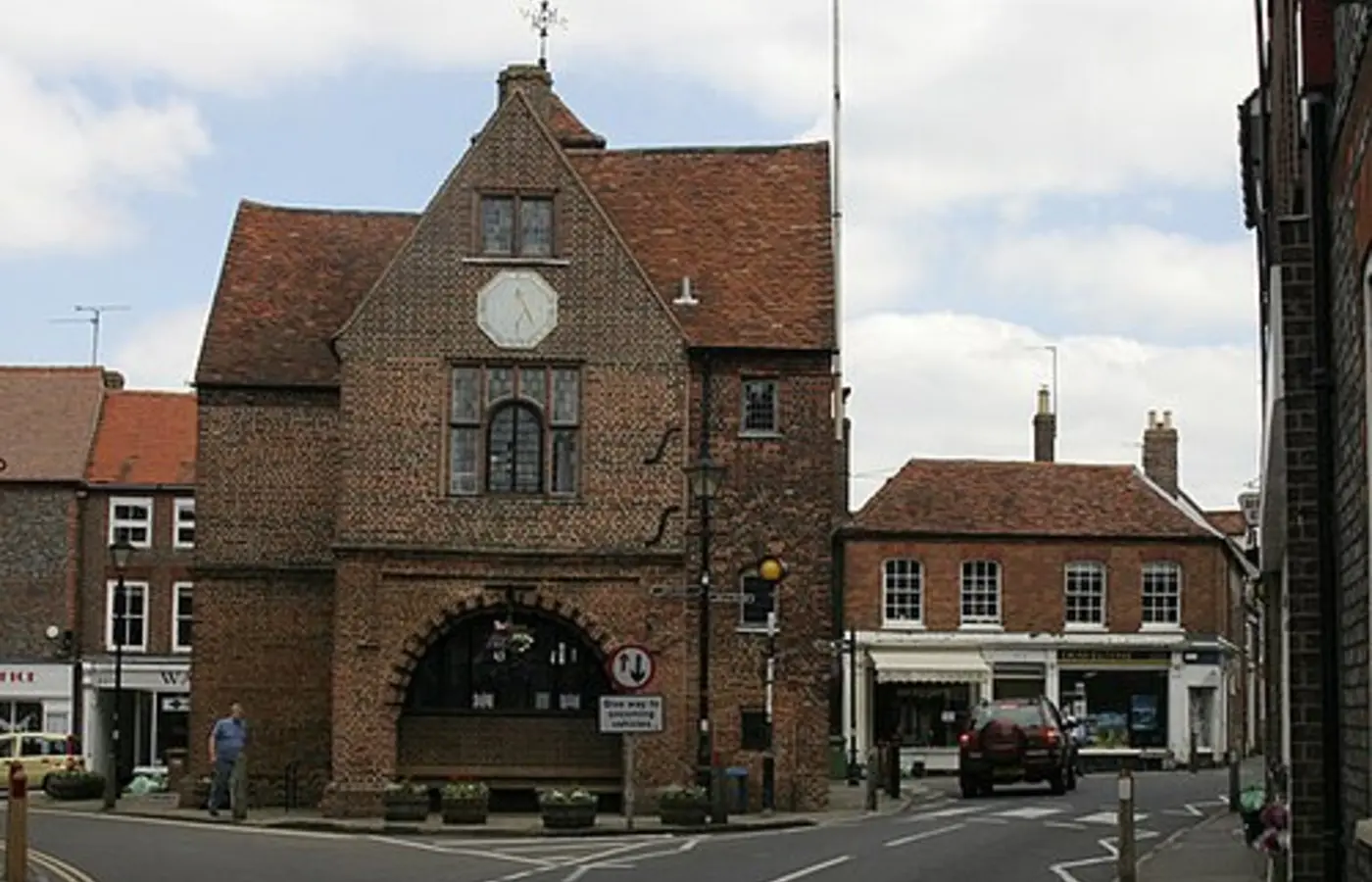
The Town Hall’s own history dates its commission to 1664 and names Thomas Stonor as the patron. Built using local brick, it combined a market function with a grammar school. That pairing helps explain why a prominent building in the town centre served practical communal purposes rather than existing only as an architectural showpiece.
The hall later accommodated other local functions, including a library, fire station and parish meetings. Its history is a useful way into the real Watlington alongside the Midsomer connection: a visit can follow the town’s own changing needs as well as the camera’s use of its streets. Look at the windows and the relationship of the building to the surrounding centre, then read the venue’s current information if you want to attend an activity there.
Confirmed · Watlington Town Hall history ↗
What the town’s visitor history adds
Visit Watlington describes the Town Hall’s original combination of school and market house, its local brick construction and the later enclosure of an external staircase. The visitor history also draws attention to its sundial and early clock. These details offer a more specific reason to pause than simply recognising an old building from a television landscape.
The same account explains how the building’s communal role developed, including reconstruction during the First World War and its use for meetings, performances and celebrations. Read that history before looking around the centre and you can compare the practical town with the fictional atmosphere created by filming. The screen’s quiet interval between scenes may conceal a place whose buildings have long been used for ordinary shared activities.
Confirmed · Visit Watlington local history ↗
Building a visit around the right interest
If your starting point is The Curse of the Ninth, keep the church connection at the top of your notes and use the Town Hall history as an additional interest. If you mainly want a town walk, reverse the order: begin with the centre, then compare the film connection when you return to the episode. Either approach gives the afternoon a clear purpose without requiring a long checklist of distant locations.
Use the town map to consider where each intended stop sits, and check current arrangements with the church or venue itself. The historical information above establishes the identity of particular buildings; practical access is a separate decision for their present operators. Respect services, private property and the normal work of the town while looking for the views that caught your attention on screen.
For a stay, search Watlington and compare individual addresses with the route you intend to follow. A town search provides a starting area, not a recommendation for a particular property. Look at your arrival and departure plans before selecting accommodation. If you add another Midsomer destination, keep its episode name separate from the Watlington notes so that one familiar scene does not become attached to the wrong real building.