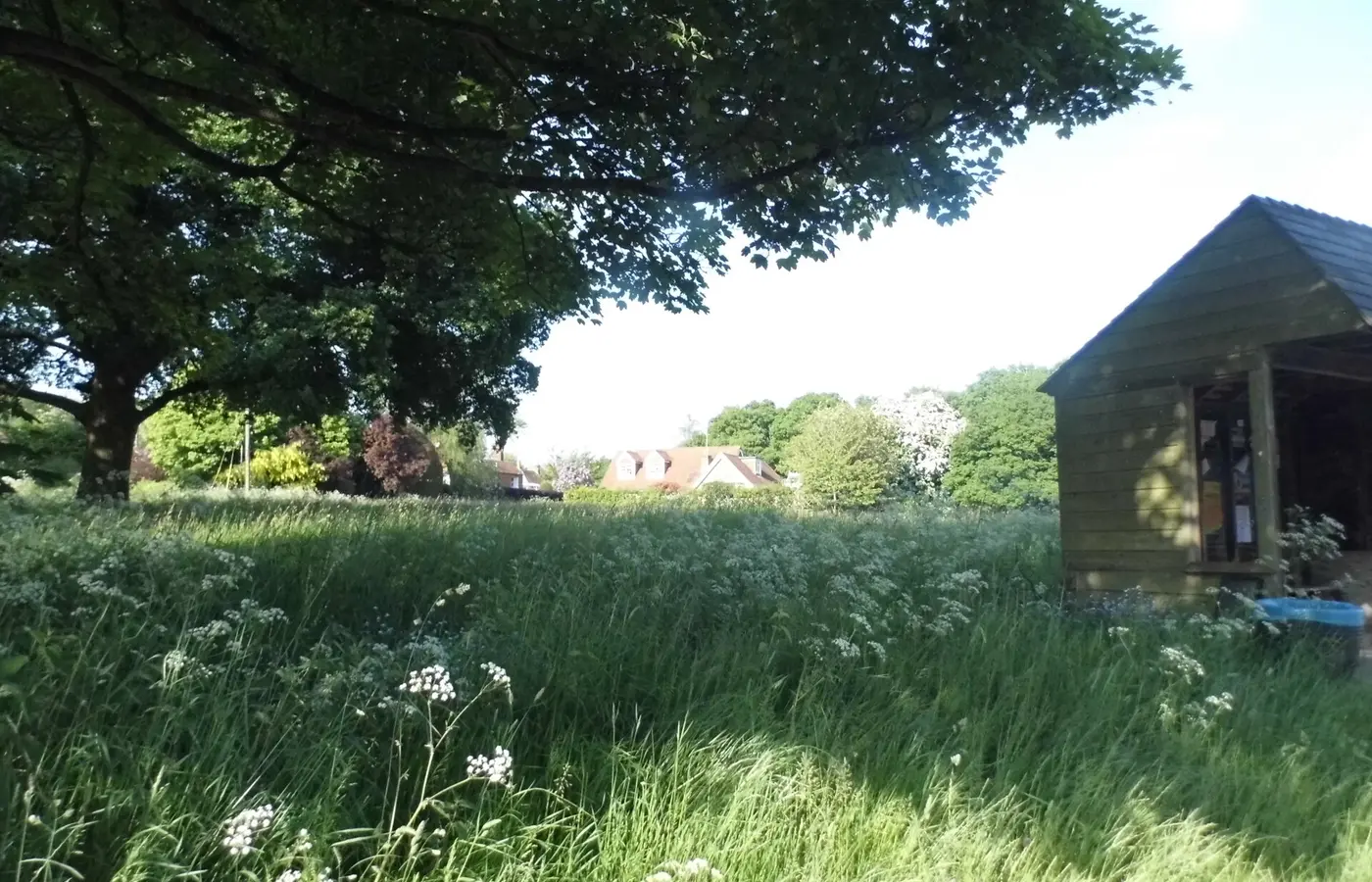
Nettlebed’s hall as three different venues
Nettlebed Village Hall is a particularly useful building to follow across the series. Dance with the Dead uses its interiors for the dance school and a 1940s fête venue. The Magician’s Nephew makes it the location of a children’s magic show. The Ballad of Midsomer County uses it for the fictional county folk festival. Three events in three investigations share one real hall.
Compare how each episode introduces the venue and what gives it a temporary identity. A dance-school interior, a magic show and a festival invite different expectations from the same space. The individual filming-site page gathers these connections together. Use the real hall name for the building, and keep each event with its own episode rather than assuming it remains a standing exhibit between productions.
The White Hart and The Maid in Splendour
The White Hart Hotel supplies the refurbished screen appearance of The Maid in Splendour. That creates an interesting comparison with The George Hotel in Dorchester-on-Thames, which also appears in that episode’s pub setting. The two real buildings have separate location connections, so a single fictional business need not correspond to one unchanged real exterior.
When preparing a visit, use the real hotel names and their actual towns. The episode’s edited continuity belongs to the fictional pub and its story. A useful rewatch can notice the change of appearance and compare it with the two named places, while leaving any present-day meal or accommodation decision to the real operators’ current information.
A shop and a country house
Death and Dust uses a village shopfront for David Mostyn’s business. Blood Wedding uses Joyce Grove as Bledlow Manor, the Fitzroy family home. These connections show why Nettlebed is more than a single village-green view: a shop, a hall and a larger property can provide quite different parts of a Midsomer story.
Read the separate episode links before deciding which public views interest you. A business frontage may be identifiable from the road, while an estate setting requires its own access arrangements. Keep the fictional business and household names beside the real locations in your notes. That will help when comparing a photograph with a later rewatch, especially where the story’s village name differs from Nettlebed.
The village and Crocker End
The existing place guide distinguishes Nettlebed’s main village from the quieter pattern of lanes and buildings around Crocker End. It also describes a real working history associated with pottery, brick and tile making, recalled by the surviving bottle kiln. These features give the area interests beyond the programme and explain why a location stop need not consist entirely of searching for a pub sign.
Choose a route that accounts for the village’s spread and the busy road through it. Decide which buildings you want to compare before linking them on a map. A place that looks close in an episode may call for a separate walk or drive in reality. Use signed public ways and allow for ordinary local traffic instead of expecting the edited scene’s calm to describe every moment of the day.
Choosing a base for a Nettlebed visit
Henley-on-Thames and Wallingford provide different wider directions to compare when choosing a base for the area. Start with the other places on your itinerary, then look at the exact location of accommodation results. Nettlebed’s hall page and the wider map can help you decide whether this is a brief stop or the focus of a longer visit.
For your rewatch list, group the hall’s three venue roles together and keep the shop, hotel and Joyce Grove connections as separate entries. That arrangement reflects the buildings rather than forcing every scene into one fictional geography. It gives a clearer account of what was filmed where and makes it easier to return to the particular case that first caught your attention.