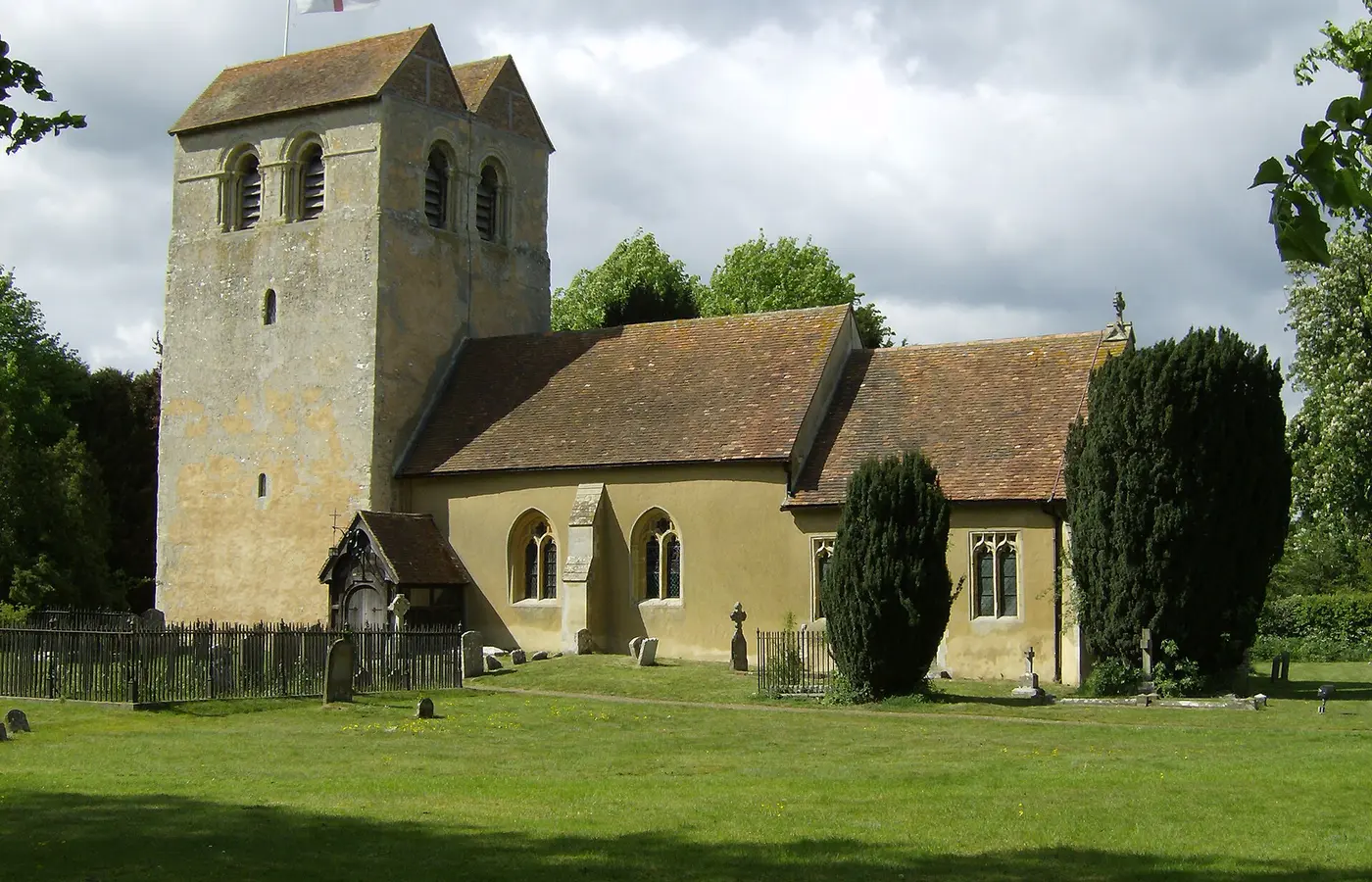
Four different glimpses of Fingest
Fingest’s filming connections include two private-house settings and two appearances by The Chequers. Those are quite different kinds of place to recognise. The houses belong to ordinary village life, while a pub has its own current business arrangements. Keep the real site, the fictional role and the episode together in your notes so that a visit follows a specific remembered scene rather than a general village name.
In Country Matters, a village property represents Rose and Dora Southerly’s home. The Silent Land uses a house for Ian and Faith Kent’s home. The available filming notes do not supply a public visitor address for either. Compare the village views from public space and allow the householders the privacy you would expect at home. An identified screen role gives context to an episode; it does not turn a residence into an attraction.
The Chequers under two screen identities
The Chequers appears as the local pub in the fictional Angel’s Rise in A Dying Art. The same real inn appears under its own name in The Point of Balance, where the surrounding story places it in Midsomer Mallen. A real name on a screen sign can therefore coexist with a fictional village address. Search for Fingest when planning the real visit and use the episode title to identify the screen setting.
Those two appearances make a useful comparison for a rewatch. Notice which views establish the pub and how the surrounding scene connects it to the rest of the fictional village. Then compare the public exterior with the real setting. Current opening, dining and booking arrangements belong to the business itself; read its own information before planning a stop around a meal. A filming connection alone says nothing about today’s service.
The church at the centre of the village
St Bartholomew’s gives Fingest a distinctive outline. The parish describes a Norman west tower from the early twelfth century, capped by an unusual pair of gables. Brick-and-flint churchyard walls and lime trees surround the building. Its Grade I listing recognises exceptional architectural interest. These details help distinguish the real village view even when an episode gives nearby buildings different names.
The church is a reason to pause beyond the particular filming matches. Look at the tower’s two roof profiles and its relationship to the low buildings around it. The parish information provides architectural context rather than an additional Midsomer scene identification. Keep that distinction when sharing photographs: you can describe what a building is without assigning it a role that the episode notes have not established.
Confirmed · Church of England parish information ↗
Fitting Fingest into a short visit
The village sits within the Chiltern landscape linking Turville and Hambleden. Choose a signed public route if you want to combine places on foot, and inspect the route before relying on it for a journey between stops. The narrow roads remain working roads. A short, considerate walk around the recognisable village setting is preferable to parking somewhere that obstructs a resident or another road user.
For an overnight search, compare Fingest-area results with the wider town bases on your route. Decide whether you want to end near the next morning’s destination or return to the place where you arrived. Keep the two house episodes and the two pub episodes separate in your list: that gives four specific connections to revisit while leaving the real village free to be itself.