The hundredth case in a real capital
The Killings of Copenhagen takes Midsomer beyond its usual English filming landscape. Copenhagen is presented as Copenhagen, with recognisable city landmarks supporting the Danish part of the investigation. The four named matches here are the Palace Hotel, Amalienborg, Nyhavn and Politigården. Keep those names with the original episode title when making a short list for a city visit.
The contrast is part of the episode’s appeal: a harbour, a palace square and a police headquarters introduce a different scale from the village greens and country houses of the regular series. Compare the opening views with the later investigation and note how the city is established. You can enjoy that comparison without assuming that every scene lies around the next corner from the last one.
The Palace Hotel in the opening sequence
The existing filming notes identify the Palace Hotel as itself in the opening Copenhagen sequence. Its operator places the hotel on Rådhuspladsen, City Hall Square. This gives the screen view a specific real setting to compare with the other city landmarks. The hotel’s exterior is a location interest; any decision to stay there should be made separately using the current property information and your own travel plans.
A city accommodation search can include many properties with no connection to the programme. Compare their actual locations with the places you want to explore, rather than selecting a hotel solely because its name sounds familiar. The Booking.com button on this page searches Copenhagen as a whole and does not imply that every result was used for filming.
Confirmed · hotel location from its operator ↗
Amalienborg and Nyhavn
Amalienborg’s palace square appears as itself during the Danish investigation. VisitCopenhagen describes the palace as a royal residence and a place to explore royal history. For the filming comparison, begin with the exterior square identified in the episode. If you want to add a museum or interior visit, use the official visitor information for that separate part of the day.
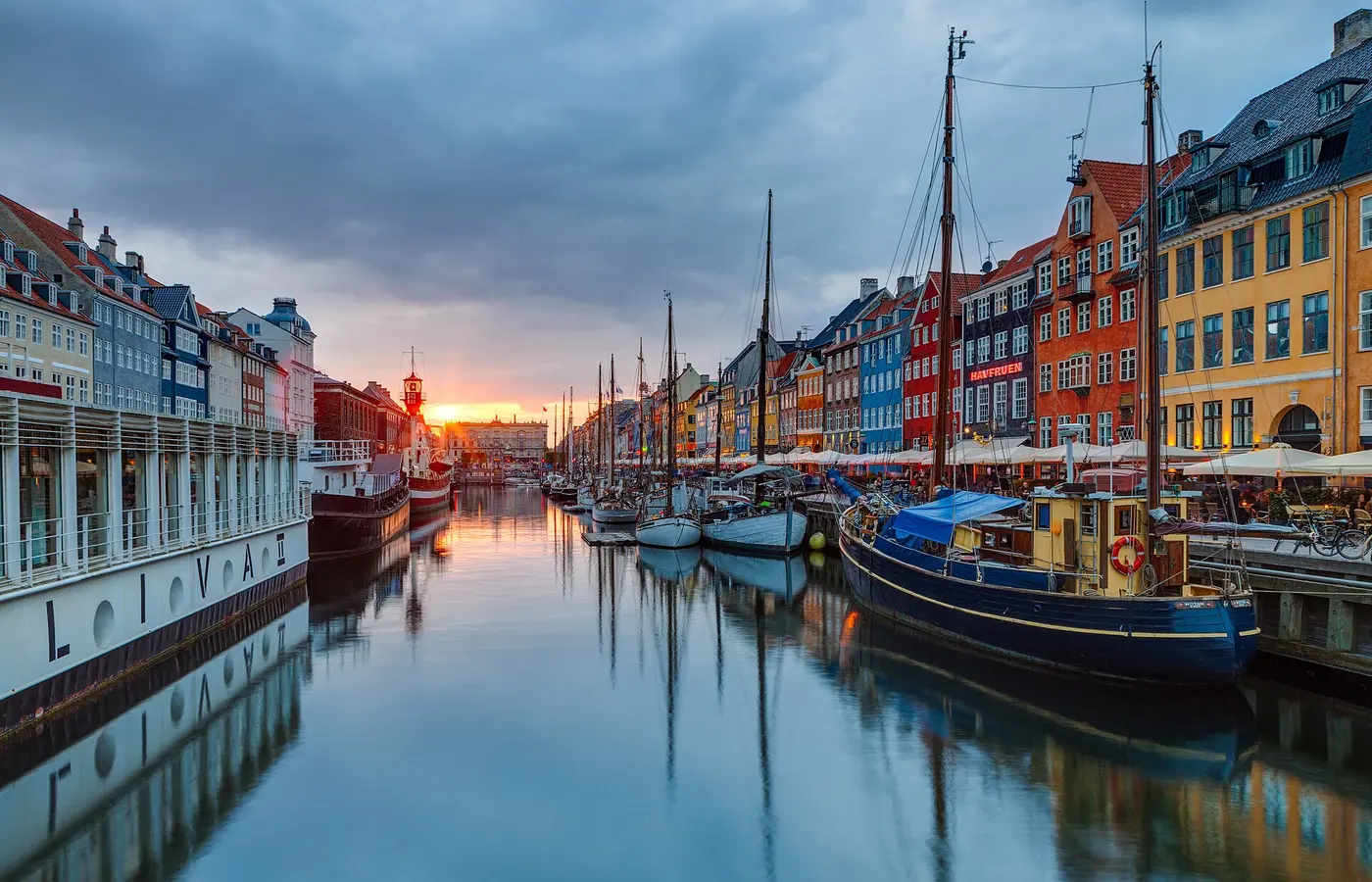
Nyhavn also appears under its real name. The canal and waterfront are useful features to recognise when returning to the episode. VisitCopenhagen describes the area’s earlier role as a busy port; that history gives the familiar waterfront another dimension beyond a colourful opening view. Look at the relationship between the canal, the quay and the buildings when comparing your own route with the screen sequence.
Confirmed · VisitCopenhagen palace information ↗
Politigården as the Danish police station
Politigården, Copenhagen Police Headquarters, supplies the Danish police-station setting in the filming notes. The city’s visitor organisation dates the building to 1918–24 and identifies its architecture as Neoclassical. Hack Kampmann began the design, with Holger Alfred Jacobsen taking over after Kampmann’s death in 1920 in collaboration with other architects.
The building’s actual police function and its screen role therefore connect directly. That makes it a different kind of stop from a house dressed as a fictional pub. Treat it as a working institution and follow current local instructions. The architectural history can be appreciated without assuming access to operational areas or trying to reproduce an interior view from the programme.
Confirmed · VisitCopenhagen building history ↗
Planning a Copenhagen stay
Build the episode landmarks into the kind of city visit you want, leaving time for the real neighbourhoods between them. A list of four filming matches is a starting point for choosing interests, not a substitute for checking distances and your route. Compare your arrival arrangements and accommodation location before deciding the order of the stops. Keep the real names visible in your notes so that a map search is straightforward.
The linked episode page connects these city views with the cast and investigation. After a visit, return to the opening sequence and compare how the hotel, harbour, palace square and police setting establish the location. Copenhagen remains a real capital with its own purposes; the Midsomer connection adds a particular way of noticing it rather than a complete explanation of the city.
Confirmed · VisitCopenhagen harbour history ↗